
- Home
- Injection Moulding
Plastic Injection Moulding
Supershine Industries provides reliable plastic injection moulding services for automotive, industrial, consumer, and OEM applications. As an experienced plastic injection moulding manufacturer, we support clients who need precision-moulded plastic components with consistent quality, good surface finish, dimensional accuracy, and production reliability.


Plastic Injection Moulding Manufacturer for Automotive, Industrial & OEM Components
Our injection moulding operations are designed to serve customers looking for an injection moulding company in India that can handle both functional and aesthetic plastic parts. From small precision components to larger Class-A surface components, we manufacture plastic parts that are suitable for chrome plating, assembly, and direct application across multiple industries.
With advanced moulding machines, controlled material handling, automation support, and quality-focused production systems, Supershine Industries offers practical and scalable custom injection moulding solutions for OEMs, Tier-1 suppliers, and businesses looking for a dependable injection moulding supplier in India.
What We Offer
Supershine Industries supports clients with plastic moulded components that require accuracy, repeatability, and clean finishing. Our injection moulding service is suitable for both regular production and long-run manufacturing programs.
- Plastic injection moulding for automotive and industrial components
- Custom injection moulding solutions based on client requirements
- Class-A aesthetic plastic components
- Chrome-plating-ready plastic parts
- Functional plastic components for assembly applications
- Medium-to-high volume production support
- Precision moulding for OEM and Tier-1 requirements
- Process optimization for consistent part quality
- In-house tool maintenance and production support
Our focus is to deliver components that meet the required design, fitment, appearance, and performance expectations of the client.
Injection Moulding Infrastructure
Supershine Industries has well-equipped injection moulding facilities supported by high-precision machines, automation, and controlled production systems.
- Ferromatic Milacron injection moulding machines
- Shibaura high-precision injection moulding machines
- Machine tonnage range from 80T to 460T
- Robotic part handling systems
- Conveyor-based part movement
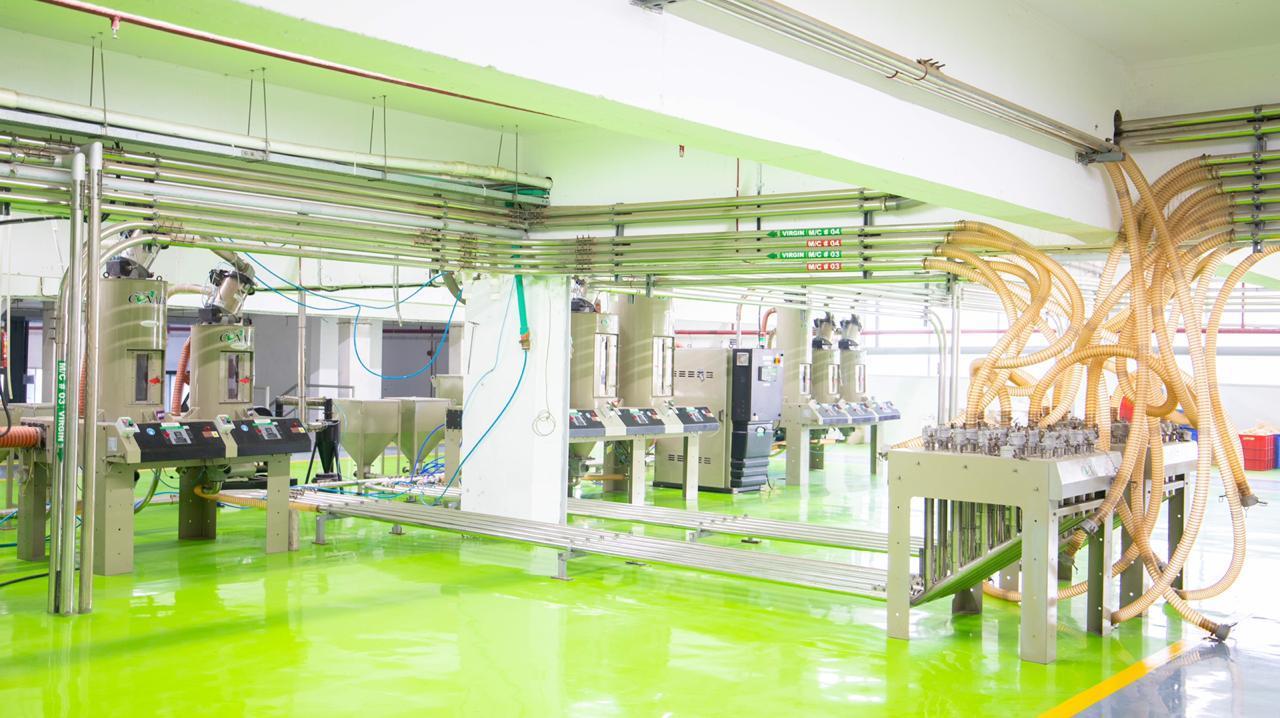
- Centralized automatic material feeding system
- Dehumidifiers, SS hopper dryers, chillers, and masterbatch mixers
- Volumetric dosers for controlled material processing
- UPS and genset-backed power support for production continuity
This setup enables us to manufacture plastic parts with consistency, repeatability, and controlled processing conditions.
Automotive Injection Moulding
Supershine Industries has strong capabilities in automotive injection moulding, especially for components that require high surface quality, precise dimensions, and plating compatibility.
- Interior components
- Exterior components
- Decorative plastic parts
- Chrome-plated plastic components
- Functional assemblies
- Class-A aesthetic parts
- OEM and Tier-1 automotive applications
As one of the experienced automotive component manufacturers, we understand the importance of fitment, finish, repeatability, durability, and timely supply in automotive programs.
Industrial Plastic Moulding Solutions
Apart from automotive applications, we also support clients looking for an industrial plastic moulding company for durable and application-specific plastic components.
- Industrial plastic components
- Consumer product parts
- Home appliance components
- Functional plastic assemblies
- Decorative plastic parts
- Custom plastic moulded products
- Components requiring secondary finishing or plating
We work closely with clients to understand the part requirement, material suitability, production volume, surface finish, and post-moulding process expectations.
Custom Injection Moulding Solutions
Every client requirement is different. Some components require dimensional accuracy, some require cosmetic finishing, while others need compatibility with chrome plating, assembly, or industrial use.
- Component design
- Material requirement
- Part size and complexity
- Surface finish requirement
- Production volume
- Assembly requirement
- Chrome plating or finishing requirement
- OEM specifications
- Quality and inspection needs
Our team focuses on making the moulding process stable and repeatable so that clients receive consistent parts across production batches.
Material Handling and Process Control
Good moulding quality depends on proper material handling and process stability. Supershine Industries uses centralized material handling systems to support clean, controlled, and traceable processing.
- Automatic material feeding
- Multiple material provision support
- Proper drying and dehumidification
- Masterbatch mixing
- Volumetric dosing
- Controlled material flow
- Reduced manual handling
This helps maintain consistency during production and supports quality requirements for automotive, industrial, and premium plastic components.
Tool Management and Production Stability
Tool performance plays an important role in plastic moulding quality. While mould development may be carried out through qualified toolmakers, Supershine Industries manages tool maintenance and process optimization during production.
- Tool maintenance
- Preventive servicing
- Fast tool changeovers
- Production troubleshooting
- Process optimization
- Part quality monitoring
This helps improve production continuity, reduce downtime, and maintain consistent component quality throughout the production cycle.
Clean Moulding Environment for Better Surface Finish
For aesthetic, chrome-plated, and Class-A plastic parts, cleanliness and surface quality are very important. Supershine Industries maintains a clean and organized moulding environment designed to support high-quality surface finish requirements.
- Chrome-plating-ready components
- Decorative plastic parts
- Automotive visible parts
- Class-A surface components
- Premium plastic moulded products
A clean moulding environment helps reduce contamination risk and supports better visual quality of moulded parts
Quality-Focused Plastic Moulding
Clients looking for a plastic molding manufacturer need more than production capacity. They need quality, consistency, communication, and reliable delivery.
- Dimensional accuracy
- Surface finish quality
- Process repeatability
- Material consistency
- Visual inspection
- Fitment and functionality
- Production stability
- Packaging and dispatch readiness
Our quality approach is aligned with the needs of OEMs, Tier-1 suppliers, automotive companies, and industrial clients.
Why Choose Supershine Industries?
Supershine Industries is a suitable partner for companies looking for an experienced plastic injection moulding manufacturer and OEM plastic component manufacturer in India.
- Advanced injection moulding infrastructure
- Machine tonnage range from 80T to 460T
- Experience in automotive and industrial plastic components
- Capability for Class-A and chrome-plating-ready parts
- Robotic automation and conveyor support
- Centralized material handling system
- Tool maintenance and process optimization support
- Clean moulding environment
- Quality-focused production process
- Support for medium-to-high volume production
- Integration with plating and assembly operations
Our strength lies in offering moulded plastic components that are ready for further finishing, assembly, or direct application.
Industries We Serve
Supershine Industries supports clients across sectors where precision plastic moulded components are required.
- Automotive industry
- OEM and Tier-1 suppliers
- Home appliance industry
- Industrial product manufacturers
- Consumer goods companies
- Sanitaryware segment
- Decorative component manufacturers
- Businesses needing plastic plated components
- Companies looking for custom plastic moulded parts
Our Injection Moulding Process
We begin by understanding the component requirement, application, material preference, surface finish, expected volume, and quality expectations.
The part design, moulding feasibility, material suitability, tolerance requirements, and post-moulding process needs are reviewed.
Tool readiness, tool maintenance, production schedule, machine selection, and process parameters are planned according to the component requirement.
Material is dried, mixed, dosed, and fed through controlled systems to ensure stable moulding conditions.
Moulded parts are checked for dimensions, appearance, finish, defects, fitment, and client-specific requirements.
Depending on the product requirement, parts may move for chrome plating, assembly, or other finishing processes.
Approved components are packed carefully and dispatched as per client requirements.
When Should You Contact Us?
- Plastic injection moulding services
- Automotive injection moulding support
- OEM plastic component manufacturing
- Chrome-plating-ready plastic parts
- Custom injection moulding solutions
- Industrial plastic moulded components
- Medium-to-high volume plastic moulding production
- A reliable injection moulding supplier in India
- A plastic molding manufacturer for precision components
Share your component drawing, material requirement, expected quantity, application details, and finishing requirements. Our team will review your requirement and guide you on the next steps.
Need a reliable injection moulding partner for Class-A and chrome-plated components.
Supershine is your right partner?

Frequently Asked Questions
Find answers to common questions
Supershine Industries provides plastic injection moulding services for automotive, industrial, OEM, consumer, and decorative plastic components.
Yes. We support custom injection moulding solutions based on component design, material requirement, production volume, surface finish, and application needs.
Our injection moulding facilities support a machine tonnage range from 80T to 460T, allowing us to manufacture small precision parts as well as larger aesthetic components.
Yes. We support automotive injection moulding for decorative, functional, Class-A, and chrome-plated plastic components used in OEM and Tier-1 applications.
Yes. Our moulding operations are aligned with downstream chrome plating and assembly processes, making us suitable for chrome-plating-ready plastic components.
Yes. Our injection moulding setup is suitable for serial production and medium-to-high volume manufacturing requirements.
We serve automotive, OEM, home appliance, industrial, consumer goods, sanitaryware, decorative parts, and plastic plated component segments.
Clients can share component drawings, material grade, application, expected quantity, surface finish requirement, tolerance details, and any post-moulding process requirement.
Looking for a Reliable Plastic Injection Moulding Partner?
If you are looking for a plastic injection moulding manufacturer, injection moulding company in India, or OEM plastic component manufacturer, Supershine Industries can support your requirement with precision moulding, quality-focused production, and scalable manufacturing capability.
Contact Supershine Industries to discuss your plastic injection moulding requirement.