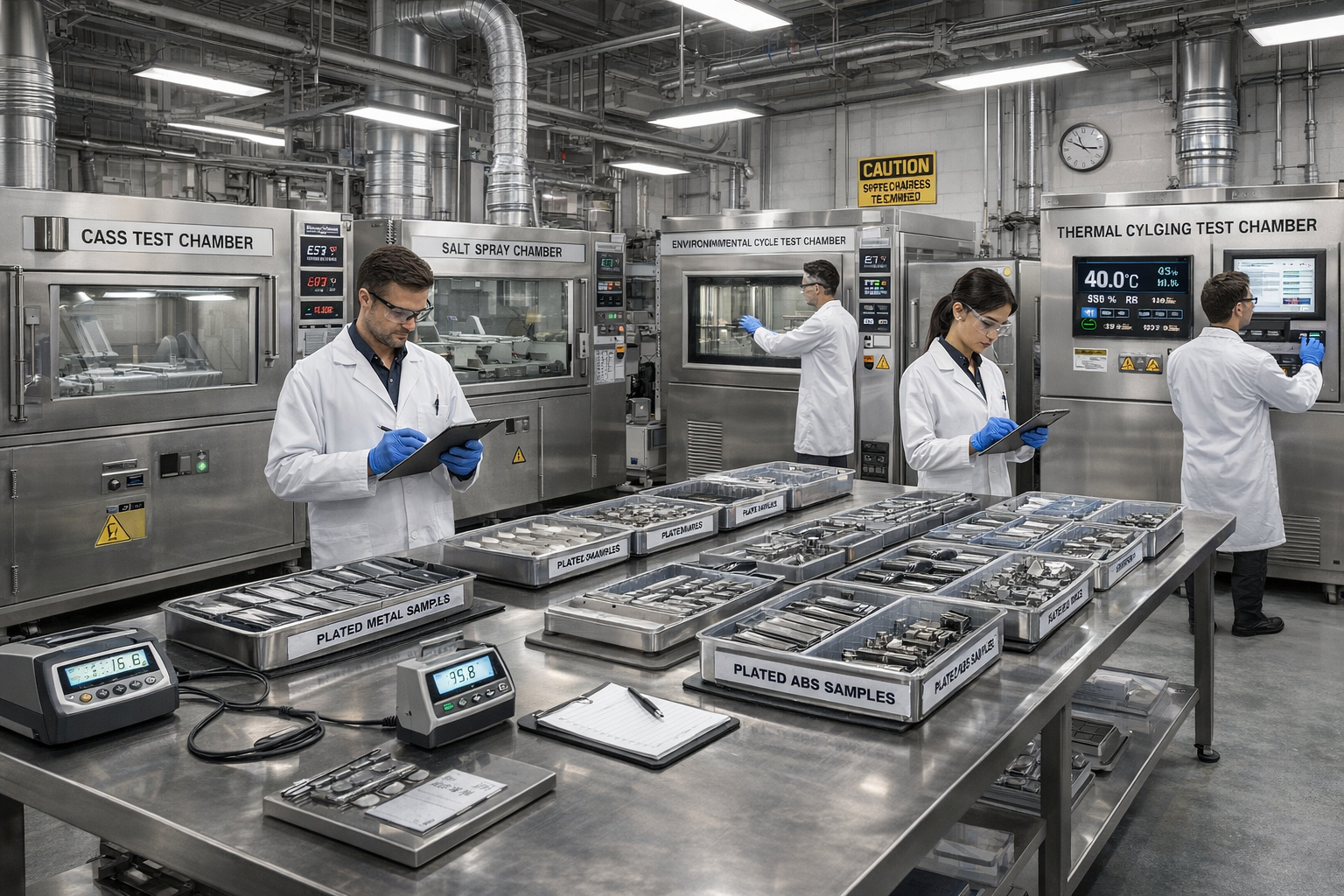
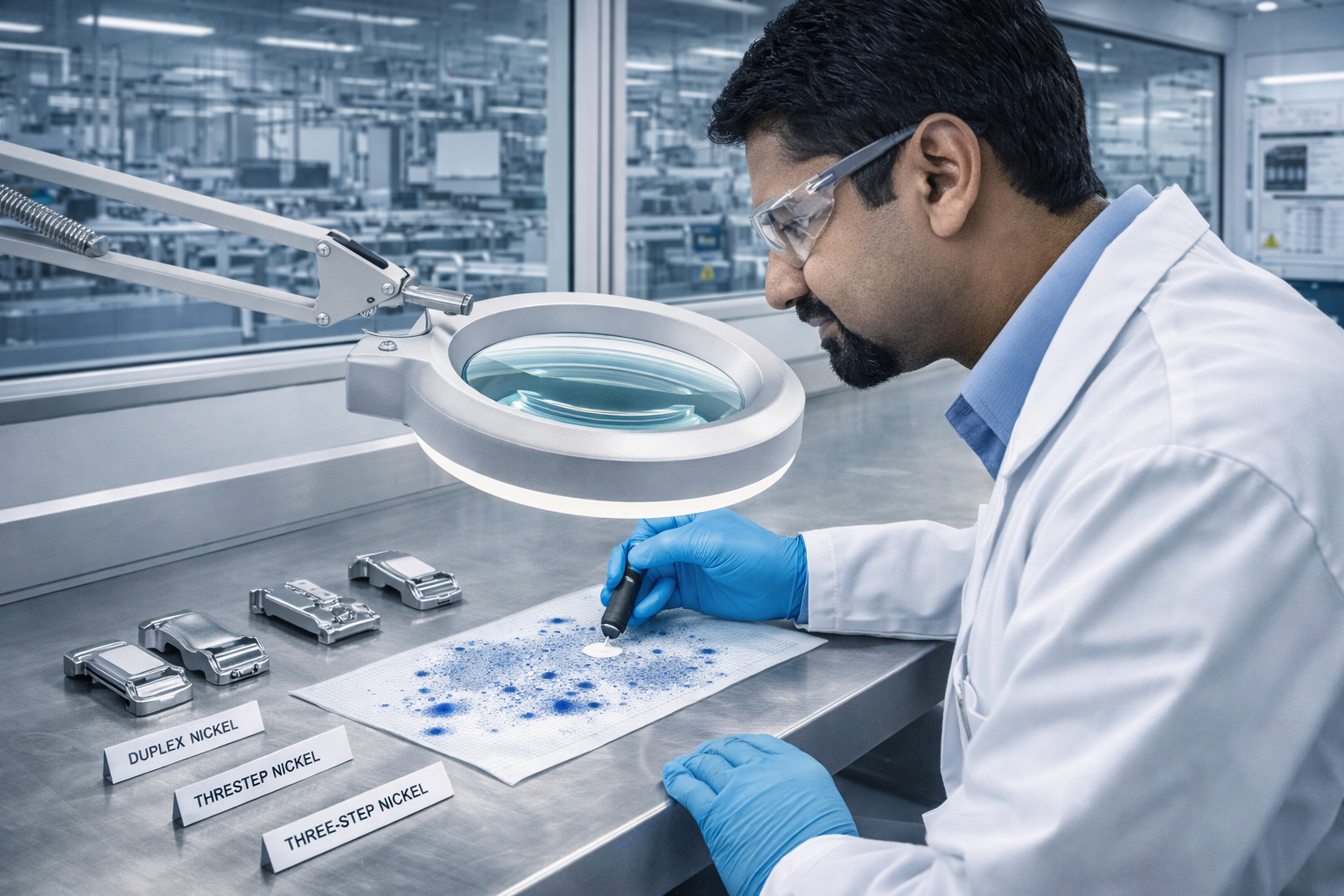
Our in-house laboratory supports ABS plastic plating and metal nickel-chrome plating with special emphasis on duplex and 3-step nickel systems. The following testing facilities ensure consistent quality, durability, and corrosion resistance.

Advanced Bath Analysis & Process Control

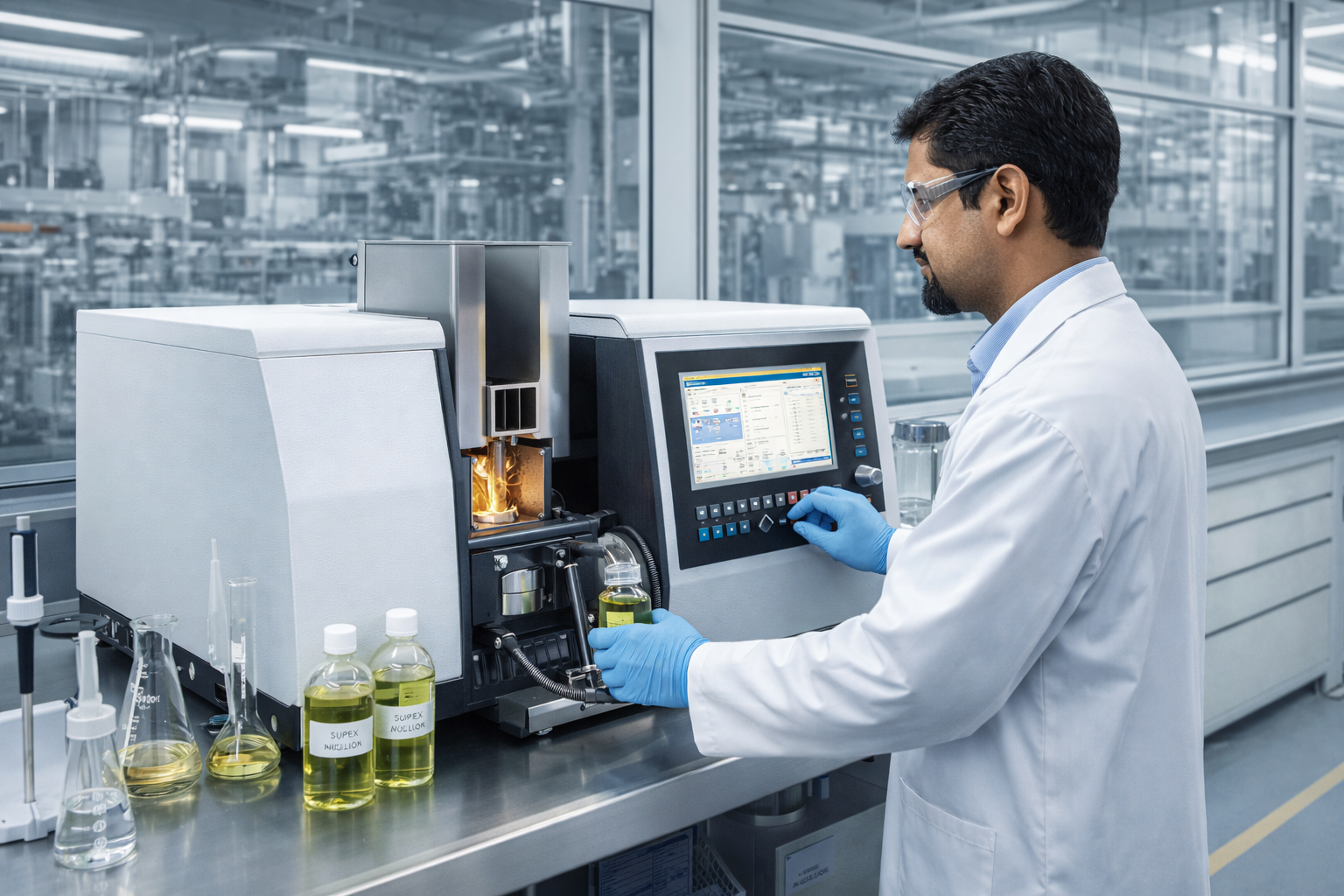
Atomic Absorption Spectroscopy (AAS) is used to precisely monitor and control metal ion concentrations in plating baths, with a strong focus on nickel solutions for duplex and three-step nickel plating systems. This advanced analytical method enables accurate trace-level measurement, ensuring optimal bath chemistry and consistent process control.

By maintaining precise bath parameters, Supershine achieves uniform metal deposition, stable coating thickness, and superior surface finish quality. The use of AAS minimizes process variation, reduces defects, and reinforces our commitment to delivering reliable, high-performance electroplated components with long-term durability.

Salt Spray Test Chamber

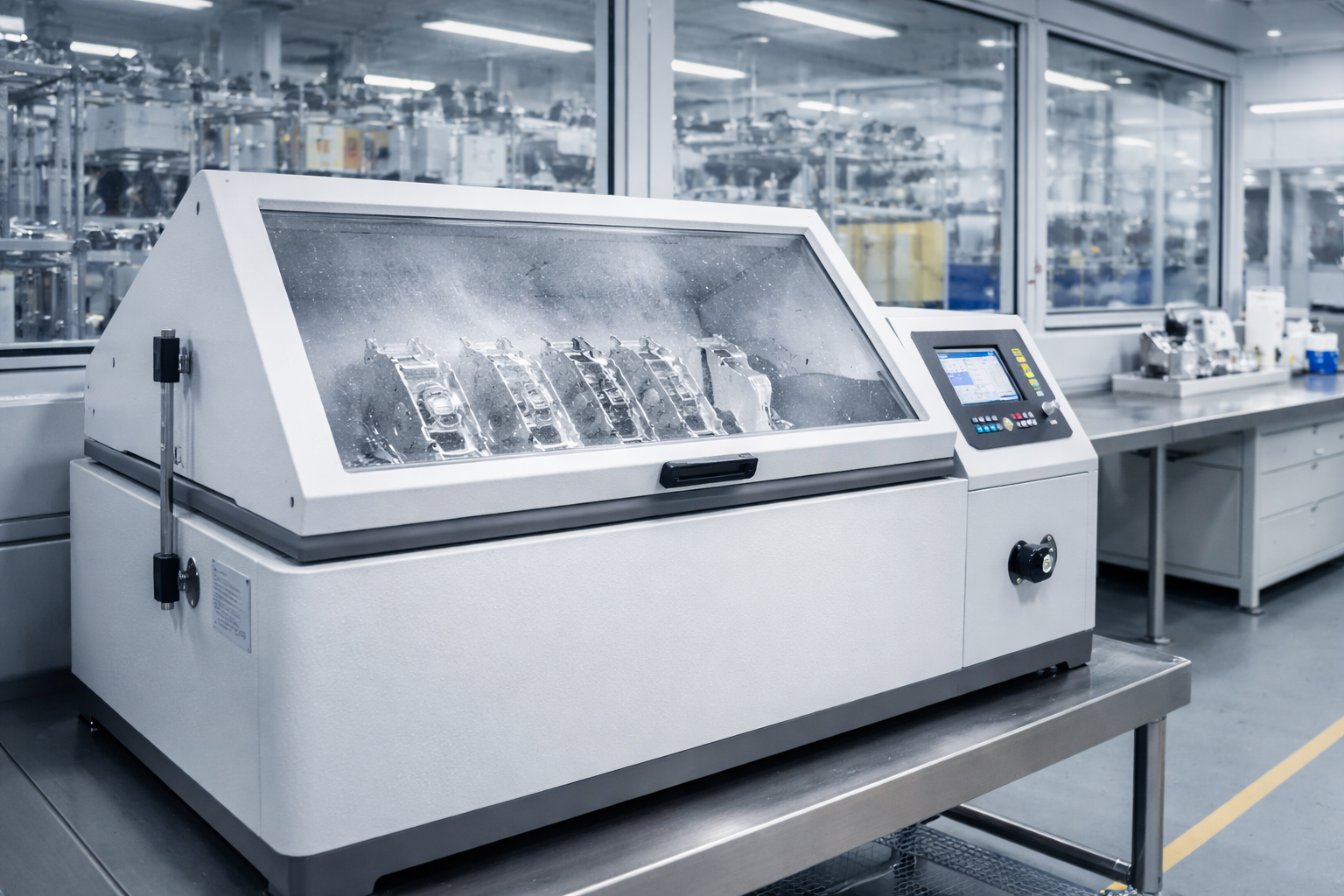
Salt spray testing is conducted to evaluate the corrosion resistance of nickel-chrome coatings applied on both ABS plastic and metal substrates. By simulating harsh and aggressive environmental conditions, the test replicates long-term exposure to moisture and saline atmospheres, helping assess coating performance under real-world operating conditions.

This controlled testing process enables early detection of corrosion-related failures, ensures coating integrity, and validates adhesion and layer durability. Salt spray testing plays a critical role in maintaining Supershine’s quality standards, ensuring reliable protection, extended product life, and consistent performance across demanding applications.

Plating Thickness Testing

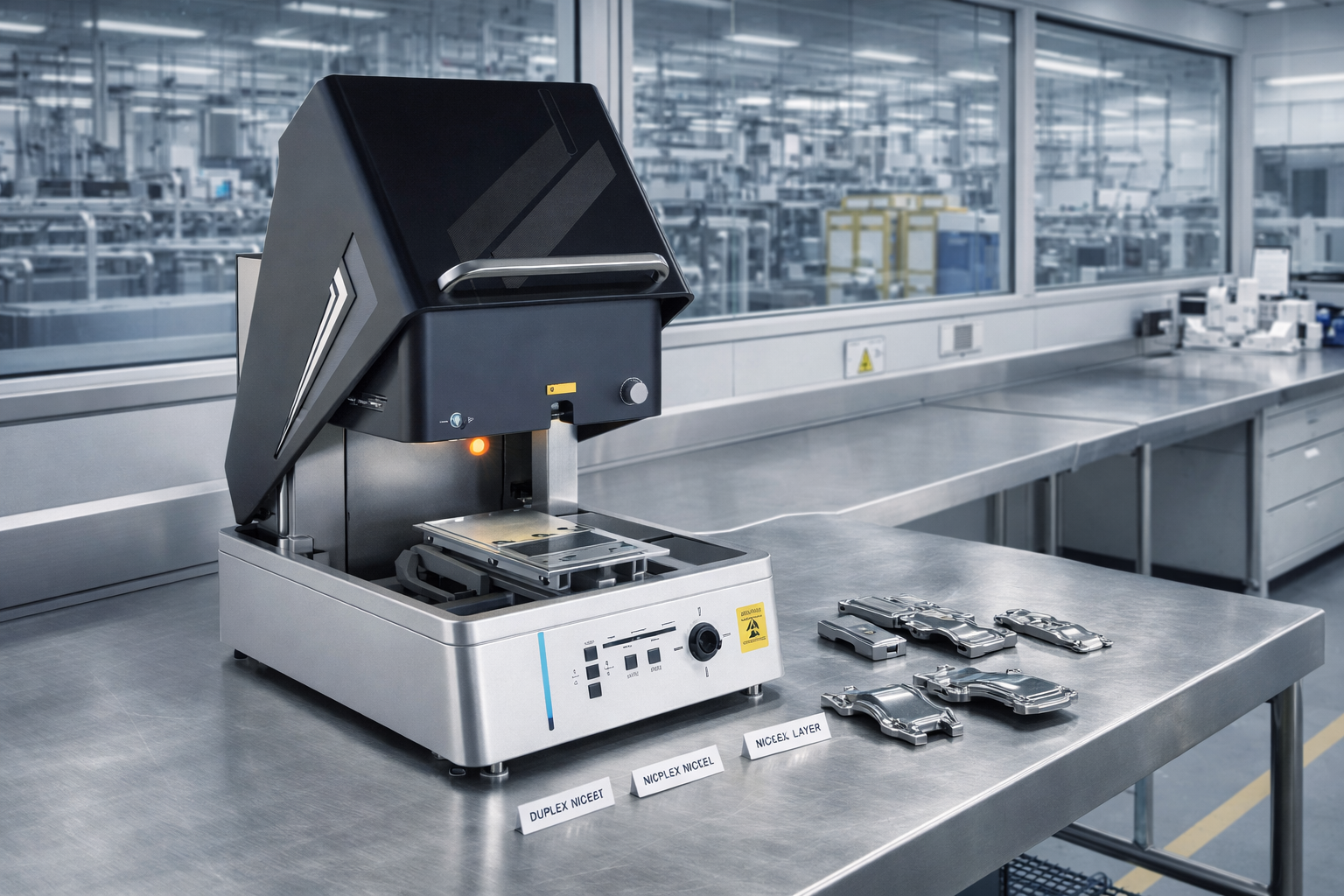
Plating thickness testing is carried out to verify that each individual nickel and chrome layer meets defined specification requirements, especially in multi-layer and duplex nickel plating systems. Accurate measurement of coating thickness ensures proper layer distribution, adhesion, and structural integrity across both plastic and metal substrates.

By maintaining controlled and consistent layer thickness, Supershine ensures enhanced durability, corrosion resistance, and a uniform, high-quality appearance. This testing process helps prevent premature failures, supports long-term performance, and reinforces our commitment to delivering reliable, precision-engineered electroplated components.

Micro Porosity Test

Micro porosity testing is performed to detect microscopic pores present in nickel and chrome deposits, which can significantly affect corrosion resistance and long-term coating performance. This test is especially critical for duplex and three-step nickel plating systems, where controlled porosity plays a key role in protecting the base material from corrosive attack.

By identifying and evaluating pore distribution and density, Supershine ensures the structural integrity of plated layers and verifies the effectiveness of multi-layer nickel systems. Micro porosity testing helps optimize coating performance, enhances corrosion protection, and reinforces consistent quality across high-performance electroplated components.

STEP Test (Duplex / 3-Step Nickel)

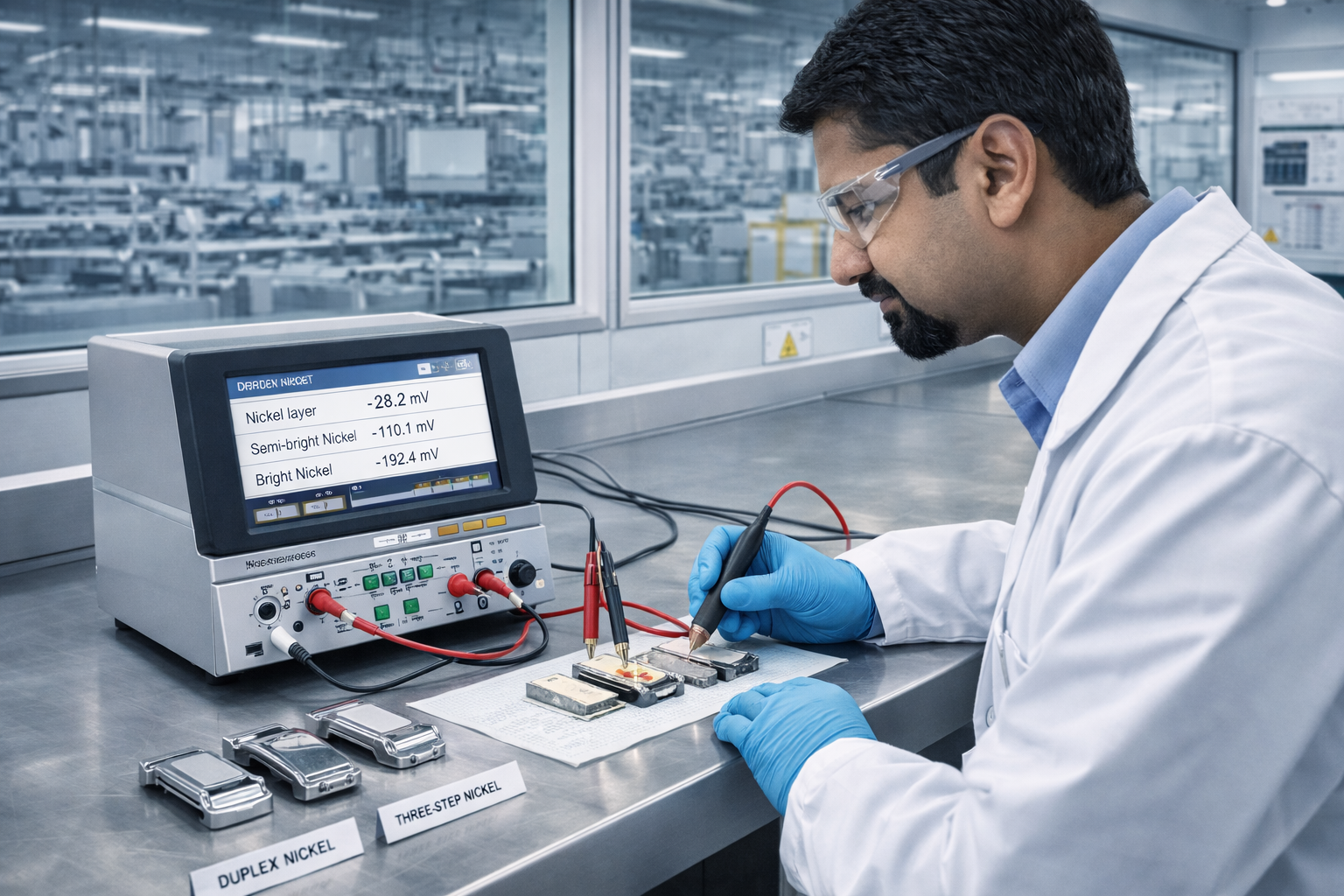
The STEP (Simultaneous Thickness and Electrochemical Potential) test is conducted to verify the electrochemical potential differences between successive nickel layers in duplex and three-step nickel plating systems. This test confirms that each nickel layer is deposited with the correct electrochemical characteristics, which is essential for controlled corrosion behavior in decorative nickel-chrome coatings.

By ensuring proper potential separation between layers, the STEP test enhances corrosion resistance by promoting preferential corrosion within the nickel system rather than at the base material. This testing method supports long-term durability, improved coating performance, and consistent quality, reinforcing Supershine’s commitment to high-reliability decorative electroplating solutions.
Peel Strength Test

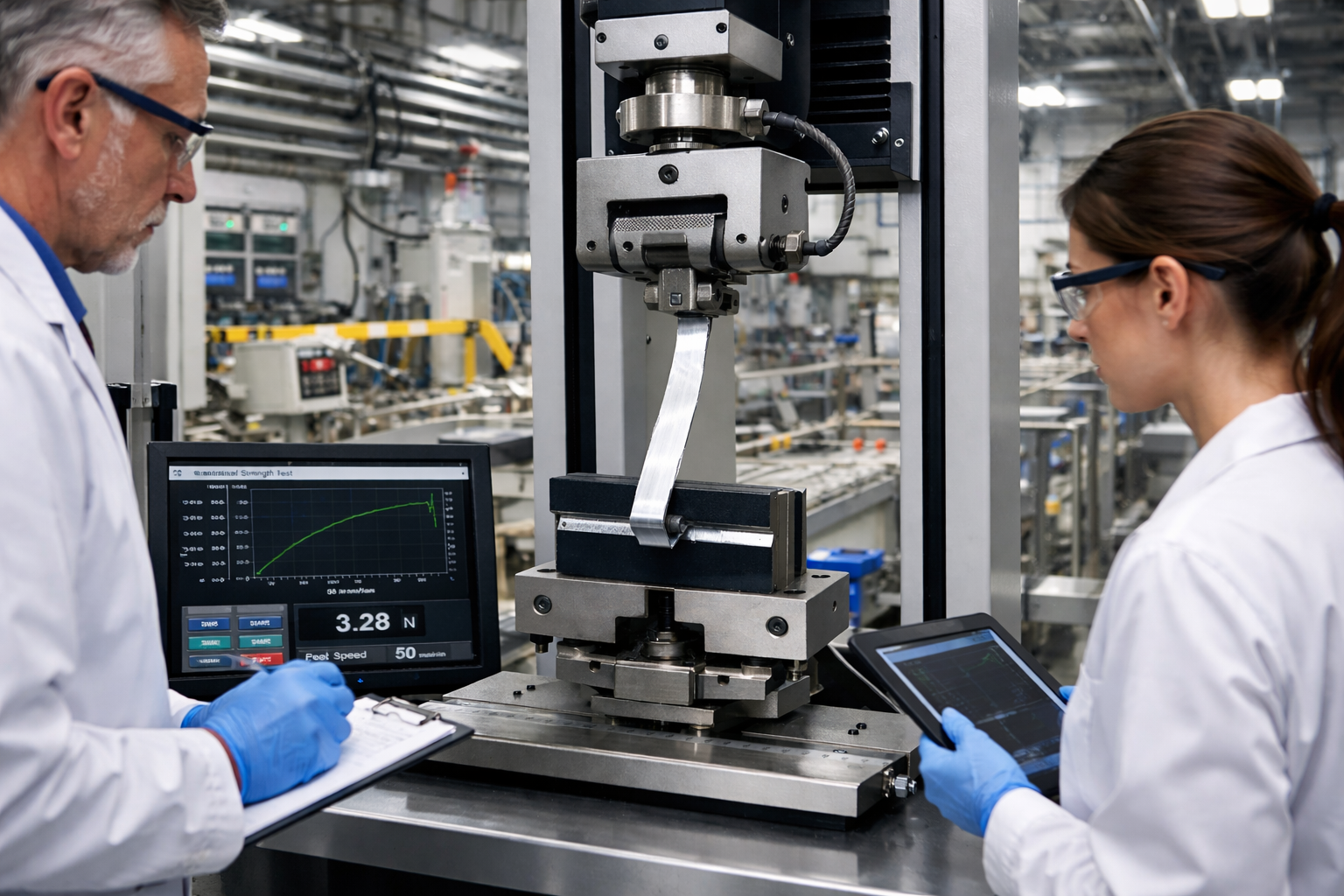
Peel strength testing is a critical method used to evaluate the adhesion quality of electroplated or metallized layers on ABS plastic substrates. The test measures the force required to peel the plated coating from the ABS surface at a controlled angle and speed, providing a quantitative indication of bond strength between the metal layer and the polymer. Strong peel strength confirms that surface preparation, etching, activation, and plating processes have been carried out correctly.

This test ensures that plated ABS components can withstand mechanical stress, thermal cycling, and environmental exposure during real-world service without failure. High peel strength results indicate resistance to peeling, blistering, cracking, and delamination, which is essential for maintaining both functional performance and cosmetic appearance in automotive, electronics, and decorative applications.

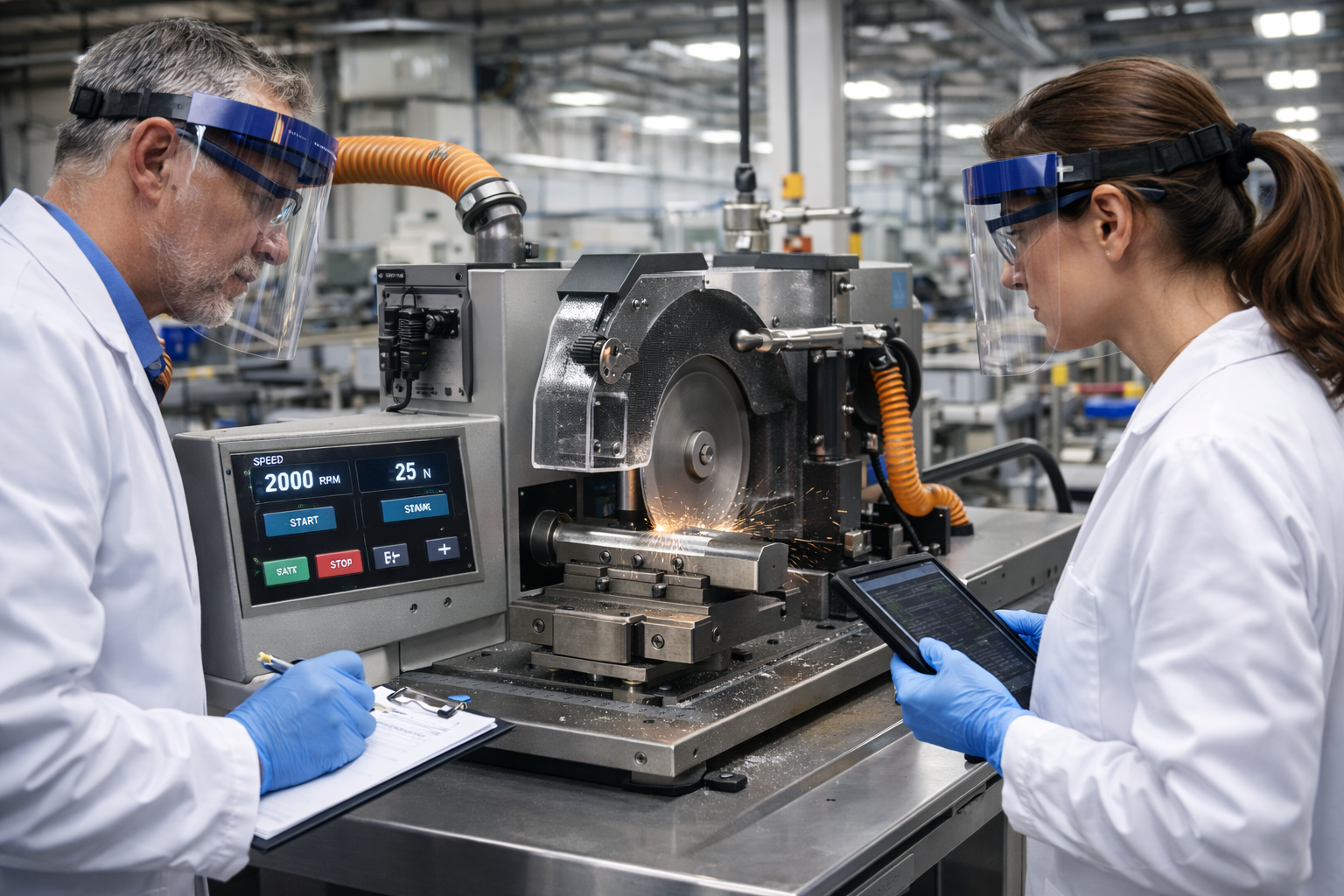
Saw Grind Test

The saw grind test is a mechanical evaluation method used to assess the strength, adhesion, and toughness of plated or coated surfaces. In this test, a rotating saw blade or grinding wheel is applied to the coated component under controlled conditions to create cuts or abrasion on the surface. The behavior of the coating during grinding—such as cracking, peeling, flaking, or chipping—provides clear indications of coating integrity and bonding quality with the base material.

This test is particularly effective for identifying weak adhesion, brittle deposits, or internal stresses within the coating that may not be visible during visual inspection. By simulating severe mechanical stress, the saw grind test helps ensure that plated components can withstand machining, assembly, and service conditions without coating failure. It is widely used as a pre-shipment quality check to confirm durability, reliability, and consistent coating performance in industrial applications.

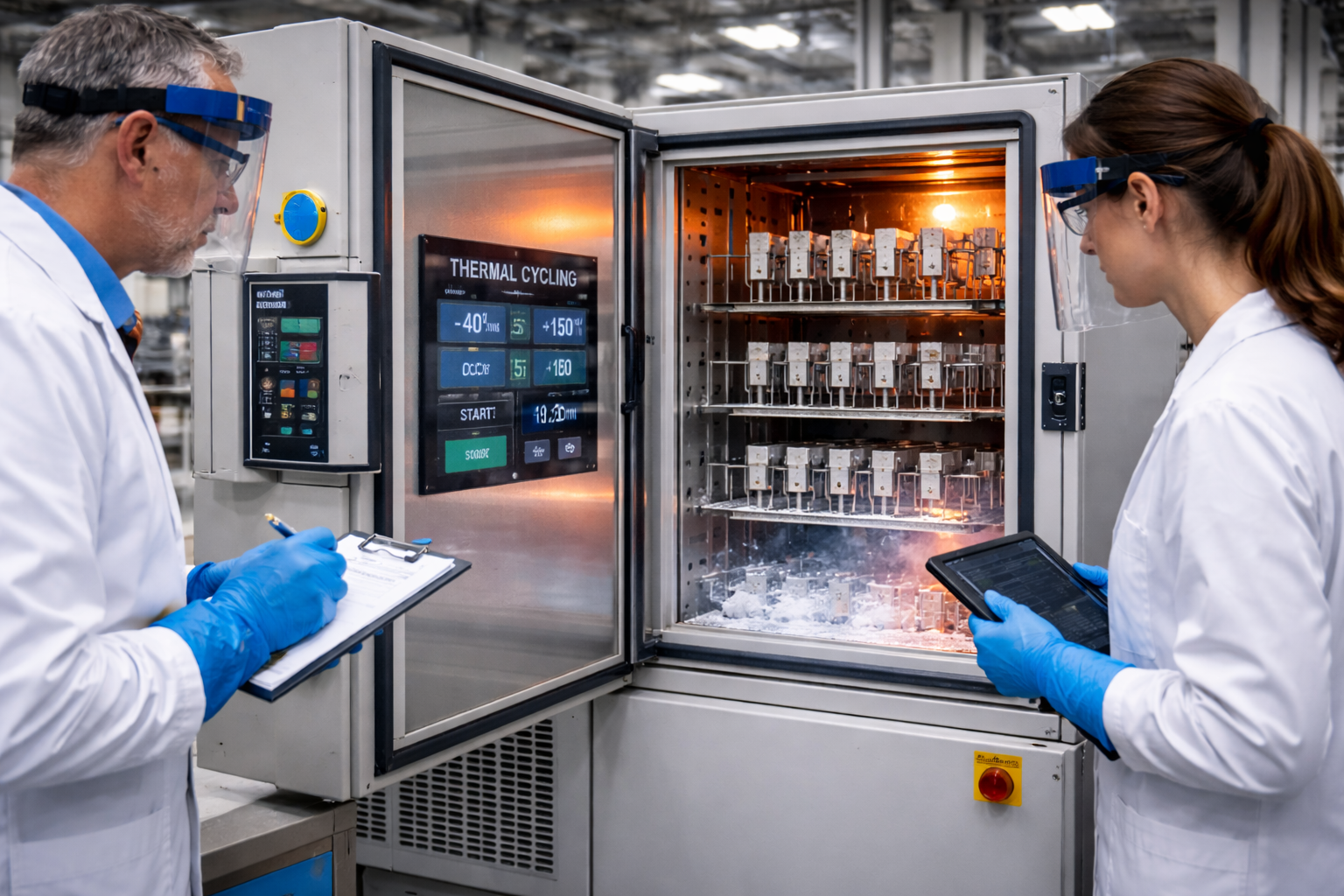
Quick Thermal Cycle Test

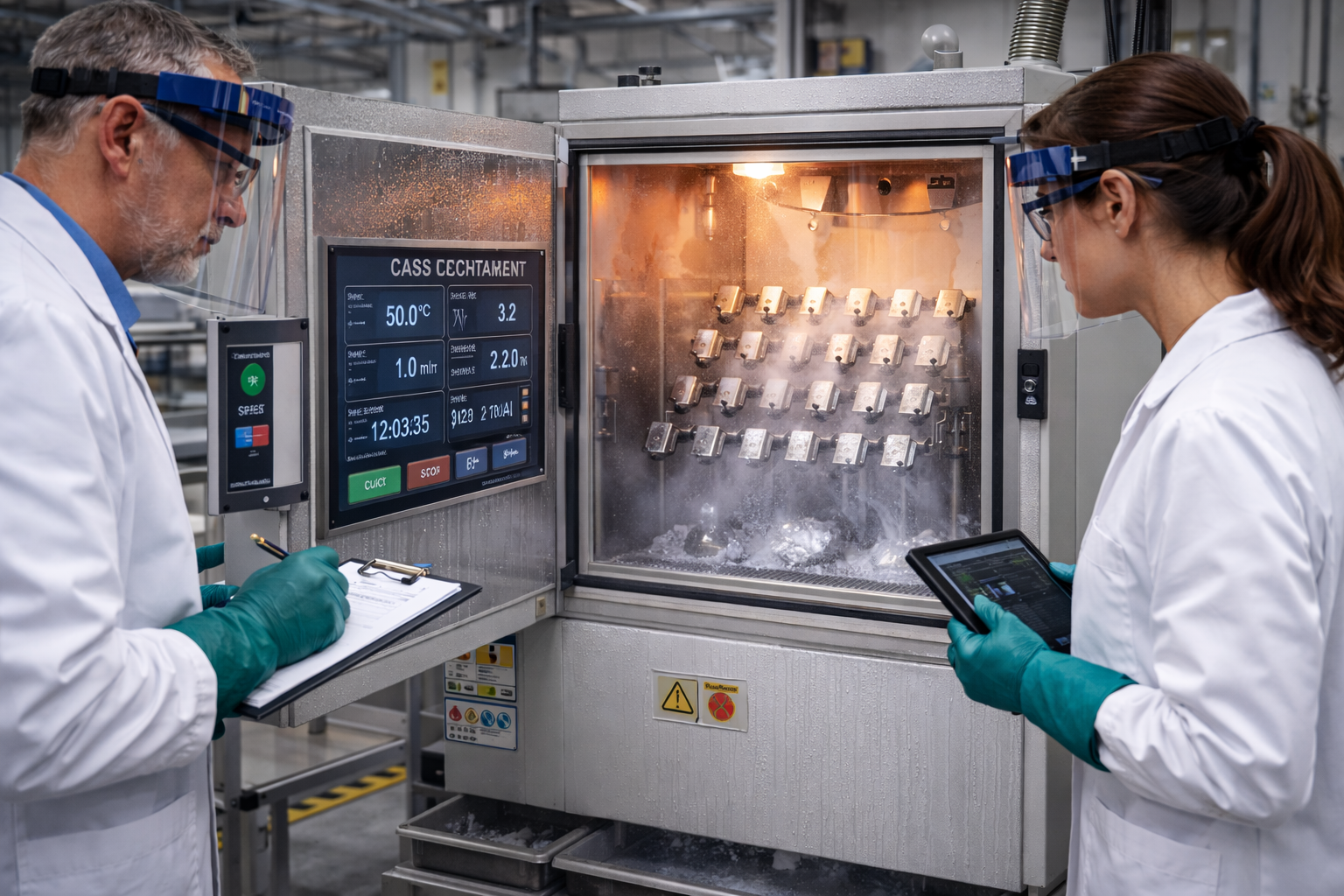
CASS Test Chamber

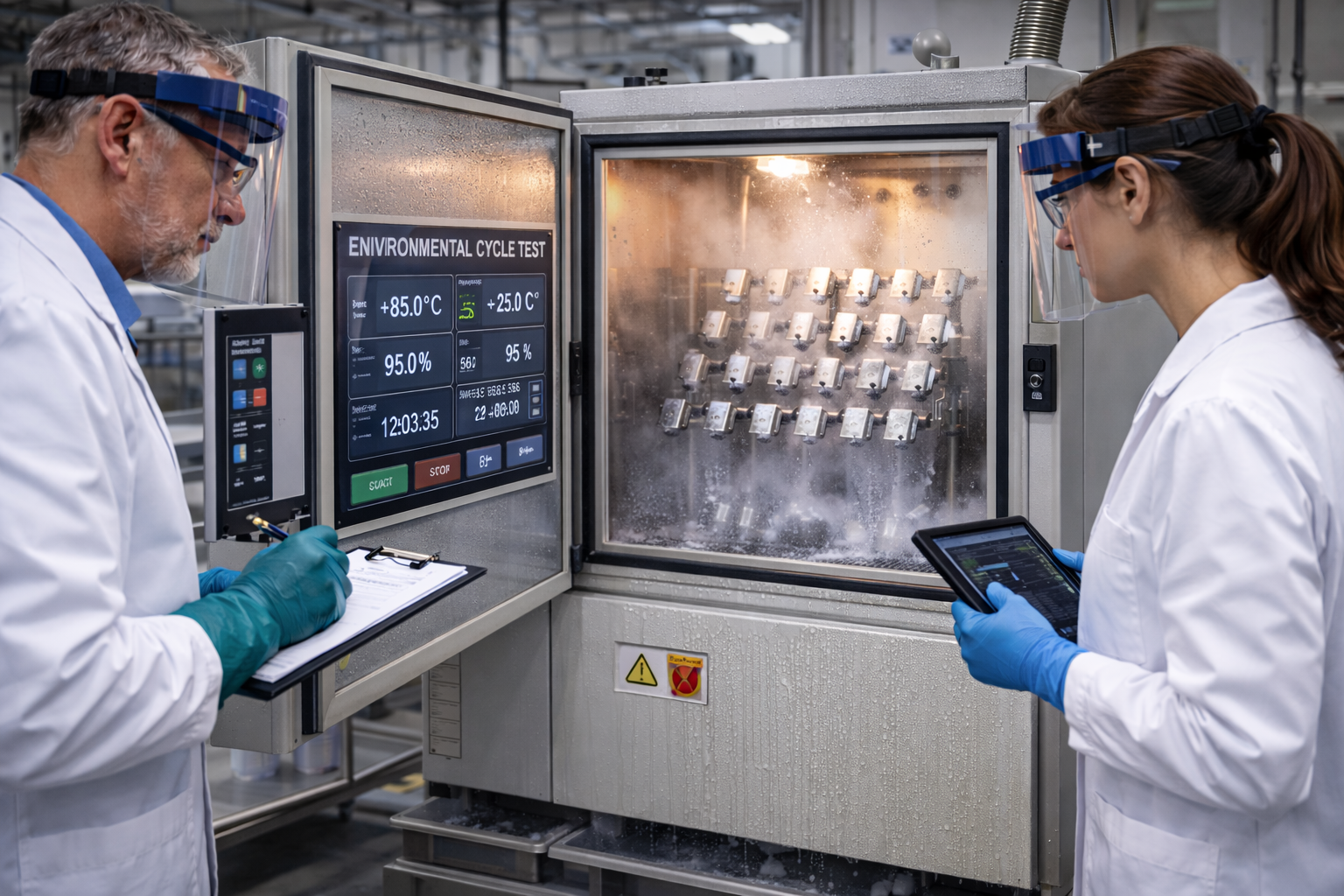
Environmental Cycle Test